Grilled Chicken Breast Fat Content: The Complete Nutrition and Health Guide
Grilled chicken breast fat content is one of the most searched nutrition topics for people trying to lose weight, lower cholesterol, or eat cleaner. We break down the clinical science and macronutrient profile.
Last updated: January 7, 2026
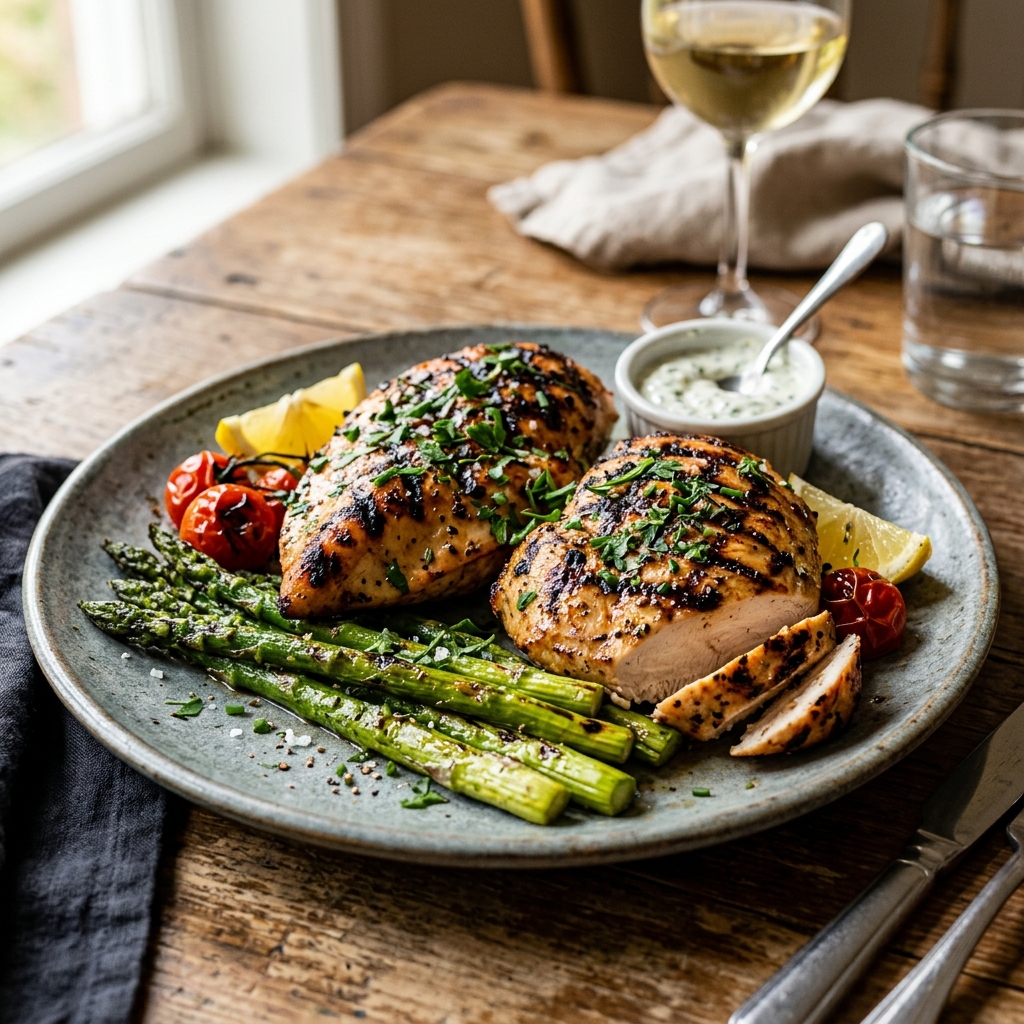
Grilled skinless chicken breast is an extra-lean animal protein. A 100-gram (3.5-ounce) serving of cooked, skinless chicken breast contains 3.6 grams of total fat. It contains 165 calories. It provides 31 grams of protein. It contains 1.0 gram of saturated fat.
This macronutrient profile supports muscle preservation and fat loss. The high protein density stimulates myofibrillar protein synthesis. The low fat content helps maintain a caloric deficit. It is a foundational food for effective weight loss programs.
Macronutrient Profile of Grilled Chicken Breast (per 100g cooked)
Below is the nutritional composition of grilled, skinless chicken breast compared to other chicken cuts.
| Chicken Cut (100g Cooked, Skinless) | Calories (kcal) | Protein (g) | Total Fat (g) | Saturated Fat (g) |
|---|---|---|---|---|
| Chicken Breast | 165 | 31.0 | 3.6 | 1.0 |
| Chicken Tenderloin | 150 | 30.0 | 3.0 | 0.8 |
| Chicken Thigh | 209 | 26.0 | 10.9 | 3.0 |
| Chicken Drumstick | 172 | 28.3 | 5.7 | 1.6 |
| Chicken Wing | 203 | 27.0 | 10.0 | 2.7 |
Anatomy and Lipid Attributes of Chicken Cuts
Chicken meat contains different types of muscle fibers. The pectoral muscles of the bird form the chicken breast. These are white muscle fibers. White muscle fibers require less oxygen. They store glycogen rather than fat for energy. This biological structure results in low fat deposition.
Dark meat cuts include chicken thighs and drumsticks. These cuts contain red muscle fibers. Red muscle fibers require constant oxygen. They store lipids as a primary fuel source. Thigh meat contains three times the fat content of breast meat.
Chicken skin consists primarily of adipose tissue. Adipose tissue is dense in triglycerides. Cooking chicken with the skin intact doubles the total fat content. Dieters must remove the skin to maintain the extra-lean status of the meat.
Cardiovascular Impact of Saturated Fat
Cardiologists recommend skinless chicken breast for heart health.
- Low Saturated Fat: A serving provides 1.0 gram of saturated fat. This is lower than beef, pork, or lamb.
- Cholesterol Levels: Dietary saturated fats increase low-density lipoprotein (LDL) cholesterol. LDL cholesterol builds arterial plaque. Lowering saturated fat intake reduces cardiovascular risks.
- Essential Fatty Acids: Chicken fat contains polyunsaturated and monounsaturated fatty acids. These fatty acids do not raise LDL cholesterol levels.
Substituting fatty red meats with grilled chicken breast supports cholesterol management. Patients should combine it with fiber-rich foods like beans and vegetables to optimize lipid profiles.
Biomechanical Effect of Grilling on Fat Content
Grilling is a dry-heat cooking method. It alters the fat content of the meat during cooking.
- Melting Process: High radiant heat melts intramuscular fat.
- Fat Drainage: Liquefied lipids drip off the grill grates. They do not remain in contact with the meat.
- No Added Fats: Grilling does not require cooking oils or butter. Pan-frying absorbs extra calories from cooking oils.
To maximize health benefits, avoid charring the meat. Charring creates heterocyclic amines (HCAs). HCAs are chemical compounds linked to systemic inflammation. Use acidic marinades containing lemon juice to prevent HCA formation.
How to Program Grilled Chicken Breast for Fitness Goals
- Post-Workout Recovery: Consume 100 to 150 grams of grilled chicken breast within two hours of training. This delivers essential amino acids to rebuild muscle tissue. Pair it with fast carbs from our best post-workout meals guide.
- Satiety Management: Pair chicken breast with high-volume, low-calorie vegetables like broccoli. This creates physical fullness during calorie restriction.
- Hydration Pairing: Keep meals clean by pairing them with selections from our low-calorie beverage guide.
Frequently Asked Questions
Is grilled chicken breast good for weight loss?
Yes. Grilled chicken breast is low in calories and high in protein. It supports a caloric deficit while preserving lean muscle mass.
How much fat is in a 6 oz grilled chicken breast?
A 6-ounce (170-gram) cooked, skinless chicken breast contains approximately 6.1 grams of total fat. It contains 1.7 grams of saturated fat and 280 calories.
Does chicken skin increase cholesterol?
Yes. Chicken skin contains high amounts of saturated fat. Consuming saturated fat increases LDL cholesterol levels in the blood.
Is grilled chicken better than pan-fried chicken?
Grilling allows intramuscular fat to drip away. It requires no added cooking oils. Pan-frying often adds fat and calories from butter or oil.
Can heart patients eat grilled chicken breast?
Yes. The American Heart Association recommends skinless chicken breast. It is low in saturated fat and cholesterol when prepared without butter or oil.
About David William
Certified Fitness Coach & Nutrition Expert at IAVI Fitness
Certified personal trainer and nutrition specialist with expertise in evidence-based fitness, weight loss, and performance nutrition. Passionate about helping individuals achieve sustainable health and fitness goals through science-backed, practical approaches that fit real life.
Related Articles



Share this article: