Best Post-Workout Meals: The Clinical Guide to Fueling Your Recovery
You just crushed your workout, but the job isn't done. We break down the clinical science behind the absolute best post-workout meals to repair muscle and maximize gains.
Last updated: November 22, 2025
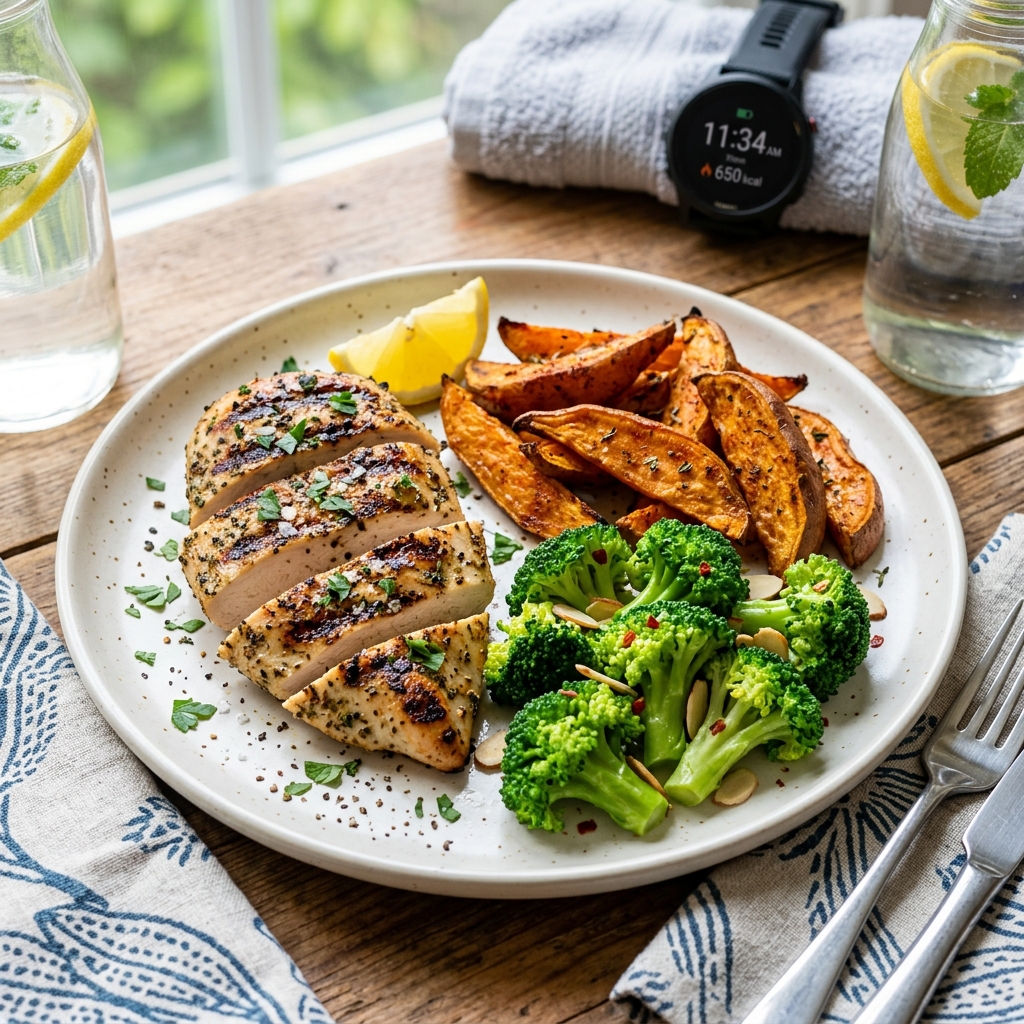
A post-workout meal requires a combination of complete protein and carbohydrates. Consuming 25 to 40 grams of protein triggers muscle protein synthesis. Consuming carbohydrates replenishes depleted muscle glycogen stores.
This nutritional intake should occur within 120 minutes of completing exercise. Proper timing accelerates muscle repair and reduces muscle soreness. It prevents muscle catabolism. Muscle catabolism is the breakdown of muscle tissue for energy.
Post-Workout Recovery Configurations and Targets
Below is the nutritional framework for configuring recovery meals based on exercise types.
| Workout Category | Target Carb-to-Protein Ratio | Target Protein (g) | Target Carbohydrates (g) | Primary Glycogen Target |
|---|---|---|---|---|
| Heavy Resistance Training | 2:1 | 30–40 | 60–80 | Moderate replenishment, muscle repair |
| High-Intensity Cardio | 3:1 | 25–30 | 75–90 | High replenishment, hydration recovery |
| Low-Impact Aerobic Training | 1:1 | 25–30 | 25–30 | Light replenishment, fat preservation |
| Late-Night Training | 1:1 (low calorie) | 25–35 | 25–35 | Night-time recovery, sleep-friendly |
Muscle Protein Synthesis and Glycogen Chemistry
Exercise creates micro-tears in skeletal muscle fibers.
Muscle Protein Synthesis (MPS) is the biological process of rebuilding these fibers. MPS requires essential amino acids. The amino acid leucine is the primary trigger for MPS. Leucine activates the mTOR pathway. The mTOR pathway regulates cell growth and protein synthesis.
High-intensity training depletes muscle glycogen. Glycogen is the stored carbohydrate fuel source.
Consuming carbohydrates spikes blood glucose. This spike prompts the pancreas to secrete insulin. Insulin is an anabolic storage hormone. It drives glucose and amino acids into muscle cells. This accelerates glycogen replenishment and muscle tissue repair.
Optimal Whole-Food Recovery Configurations
- Grilled Chicken and Jasmine Rice: Chicken provides lean, bioavailable protein. Jasmine rice contains simple starches. Simple starches digest rapidly to trigger insulin. For chicken fat metrics, read our grilled chicken breast guide.
- Salmon and Sweet Potato: Salmon contains Omega-3 fatty acids. Omega-3 fatty acids reduce systemic inflammation. Sweet potato contains slow-digesting complex carbohydrates.
- Whey Protein and Banana: Whey isolate digests rapidly. A banana provides potassium. Potassium prevents muscle cramping.
- Plant-Based Scramble: Tofu provides complete plant protein. Pair it with vegetables as shown in our creamy miso bean soup recipe.
Combine recovery meals with hydration. Review fluids in our low-calorie beverage guide. For overall fat loss programming, read our effective weight loss programs guide.
Frequently Asked Questions
Why are carbs needed post-workout?
Carbohydrates spike insulin. Insulin shuttles amino acids and glucose into muscle cells. This process accelerates muscle repair and glycogen replenishment.
How long can you wait to eat after a workout?
Consuming nutrients within 1 to 2 hours of exercise is optimal. Waiting longer slows down the rate of glycogen synthesis and prolongs muscle soreness.
What happens if you do not eat after a workout?
Skipping nutrients prolongs muscle catabolism. It causes fatigue and delays recovery. It decreases performance in subsequent workouts.
Can I drink chocolate milk for recovery?
Yes. Chocolate milk contains a 3:1 carb-to-protein ratio. The whey and casein proteins provide both immediate and sustained amino acid delivery.
What should I eat after a late-night workout?
Consume a light, protein-dense meal. Low-fat cottage cheese or Greek yogurt provides casein protein. Casein digests slowly to prevent muscle breakdown during sleep.
About David William
Certified Fitness Coach & Nutrition Expert at IAVI Fitness
Certified personal trainer and nutrition specialist with expertise in evidence-based fitness, weight loss, and performance nutrition. Passionate about helping individuals achieve sustainable health and fitness goals through science-backed, practical approaches that fit real life.
Related Articles



Share this article: